What are the best heat protectors?
Key points
-
01
Un protecteur thermique forme une barrière qui limite la pénétration de la chaleur et préserve l'hydratation naturelle des cheveux.
-
02
Il existe trois formats : spray, sérum et huile protectrice thermique.
-
03
Les ingrédients clés sont l'aloe vera, les protéines (kératine, soie) et les silicones.
-
04
Le choix dépend du type de cheveux et de l'appareil de coiffure utilisé.
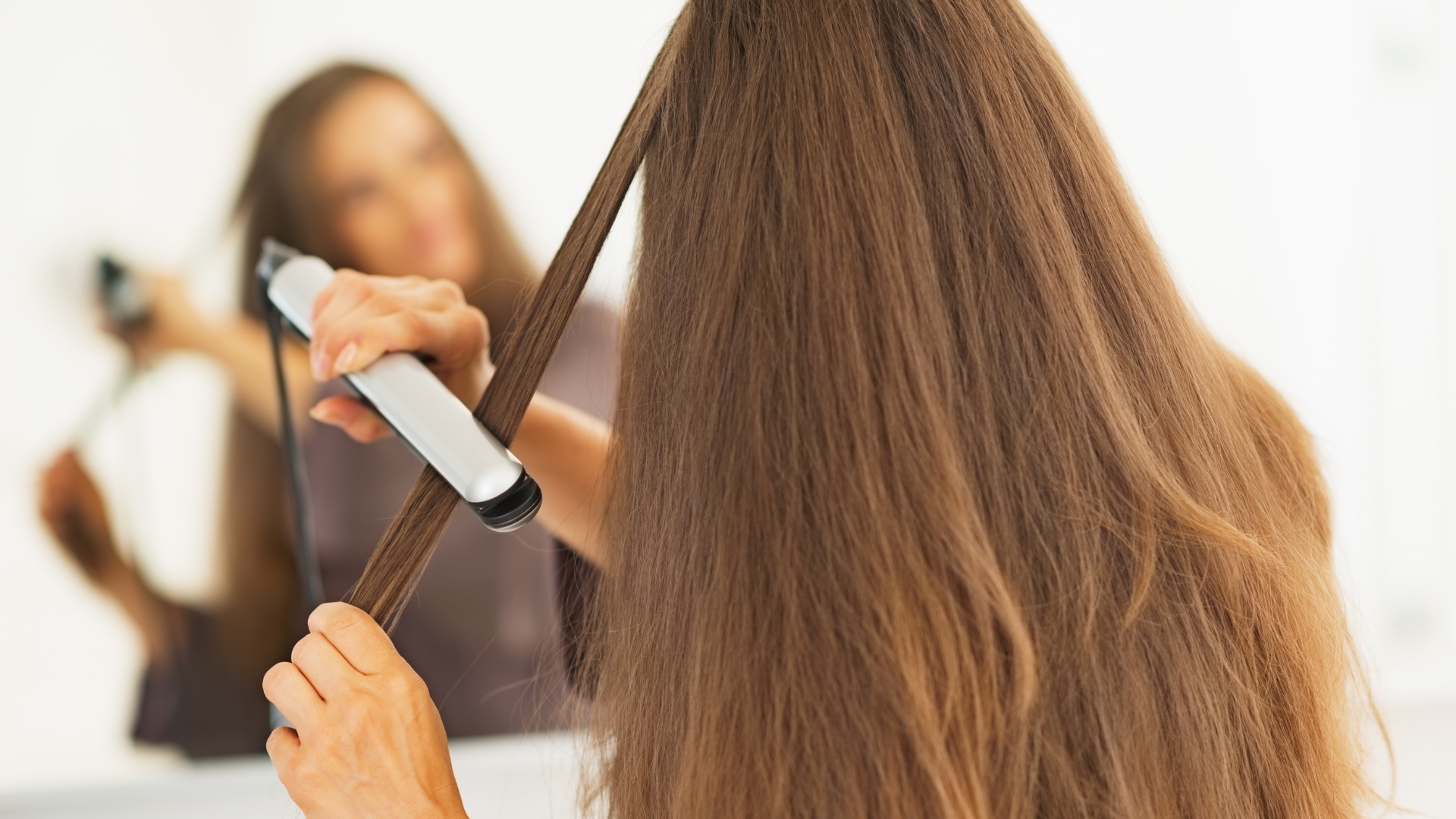
Frequent exposure to heat from styling appliances such as straighteners, hair dryers and curling irons can cause significant damage to your hair. To avoid this, the use of a heat protector is essential.
What is a heat protector, how does it work and what are the best options on the market?
What is a heat protector?
A heat protector is a product designed to shield hair from the harmful effects of heat from styling appliances. It forms a thermal barrier that prevents the breakdown of hair proteins and preserves natural moisture.
Used regularly with styling tools, it helps maintain hair health and shine.
Un protecteur thermique est un produit conçu pour protéger les cheveux des effets nocifs de la chaleur des appareils de coiffure. Il forme une barrière thermique qui empêche la dégradation des protéines capillaires et préserve l'hydratation naturelle.
How does a heat protector work?
Heat protectors generally contain ingredients with refractory and moisturizing properties. These ingredients form a protective layer around the hair, limiting heat penetration and reducing the risk of damage. Some products can also help strengthen the hair shaft and prevent breakage.
Key ingredients in heat protectors
- Aloe vera: a natural moisturizing ingredient that can also help soothe an irritated scalp. It is often used in hair care products for its softening and moisturizing properties.
- Proteins: proteins such as keratin or silk help strengthen hair and prevent breakage. They are particularly beneficial for hair damaged or weakened by chemical treatments.
- Silicones: they form a protective layer around the hair, reducing heat penetration and minimizing damage caused by styling appliances. They can also help detangle hair and give it a smoother, shinier appearance.
L'hydratation compte aussi pour la peau, comme le montrent les meilleures crèmes pour une peau parfaitement hydratée.
Types of heat protectors
Il existe plusieurs types de protecteurs thermiques sur le marché.
Spray protecteur thermique
Ce protecteur se présente en spray et s'applique facilement sur toute la chevelure avant d'utiliser un appareil chauffant. Il convient à tous les types de cheveux, y compris les cheveux secs. Des sprays spécifiquement formulés pour les cheveux colorés ou traités chimiquement sont aussi disponibles.
Sérum protecteur thermique
Le sérum est plus concentré et souvent plus nourrissant que le spray. Il s'applique généralement sur cheveux humides avant le coiffage et pénètre la fibre capillaire pour une protection optimale contre la chaleur. Il convient particulièrement aux cheveux épais, bouclés ou très secs.
Huile protectrice thermique
Les huiles protectrices conviennent aux cheveux secs ou abîmés : elles apportent une hydratation supplémentaire et un fini brillant. Elles s'appliquent sur cheveux humides ou secs et sont généralement formulées avec des huiles naturelles comme l'argan, la coco ou l'avocat.
Prendre soin de ses cheveux s'accompagne souvent d'un soin du corps, à commencer par les meilleurs gommages pour une exfoliation profonde.
Choisir un protecteur thermique adapté à sa routine de coiffage permet de mieux résister aux hautes températures du sèche-cheveux.
Un coiffeur
| Type | Application | Cheveux adaptés |
|---|---|---|
| Spray protecteur thermique | Sur toute la chevelure avant l'appareil chauffant | Tous types, y compris cheveux secs, colorés ou traités chimiquement |
| Sérum protecteur thermique | Sur cheveux humides avant le coiffage | Cheveux épais, bouclés ou très secs |
| Huile protectrice thermique | Sur cheveux humides ou secs | Cheveux secs ou abîmés |
Le protecteur thermique se choisit selon son format (spray, sérum ou huile) et selon le type de cheveux auquel il s'adresse.
Tips for choosing the right heat protector
- Take your hair type into account: some products suit fine, light hair, others thick, textured hair. Choose a product adapted to your specific needs, for example for color-treated or chemically-treated hair.
- Look for beneficial ingredients such as aloe vera, proteins and silicones. They help protect hair from heat while providing other benefits, such as hydration or damage repair.
- Choose a heat protector that suits your styling routine. If you often use a hairdryer, opt for a product specially designed to withstand the high temperatures of this appliance.
Using a heat protector is essential to preserve the health and beauty of your hair against frequent exposure to heat from styling appliances. Explore the different options on the market to find the one that best suits your needs and hair type.
Pour compléter votre routine, découvrez les meilleurs shampoings pour cheveux fins.
Who writes these pages
Instantbeautebienetre is written by Pauline Vigneron, editor in chief. Each article draws on medical or dermatological sources that readers can check. Questions about health, pregnancy or menopause always point to professional advice. Older articles are reread and corrected when knowledge moves on.


Frequently asked questions
À quoi sert un protecteur thermique ?
Il est conçu pour protéger les cheveux des effets nocifs de la chaleur des appareils de coiffure. Il forme une barrière thermique qui empêche la dégradation des protéines capillaires et préserve l'hydratation naturelle.
Quels ingrédients trouve-t-on dans un protecteur thermique ?
On y trouve notamment de l'aloe vera, des protéines comme la kératine ou la soie, et des silicones. Ces ingrédients forment une couche protectrice autour du cheveu et limitent la pénétration de la chaleur.
Quel format de protecteur thermique choisir ?
Le spray s'applique facilement sur toute la chevelure et convient à tous les types de cheveux. Le sérum, plus concentré, convient aux cheveux épais, bouclés ou très secs, tandis que l'huile apporte hydratation et brillance aux cheveux secs ou abîmés.
Comment choisir son protecteur thermique ?
Il faut tenir compte de son type de cheveux et privilégier des ingrédients bénéfiques comme l'aloe vera, les protéines et les silicones. Il est aussi conseillé de choisir un produit adapté à sa routine de coiffage, par exemple résistant aux hautes températures du sèche-cheveux.