Explore the scents of 1 Million fragrances and notes
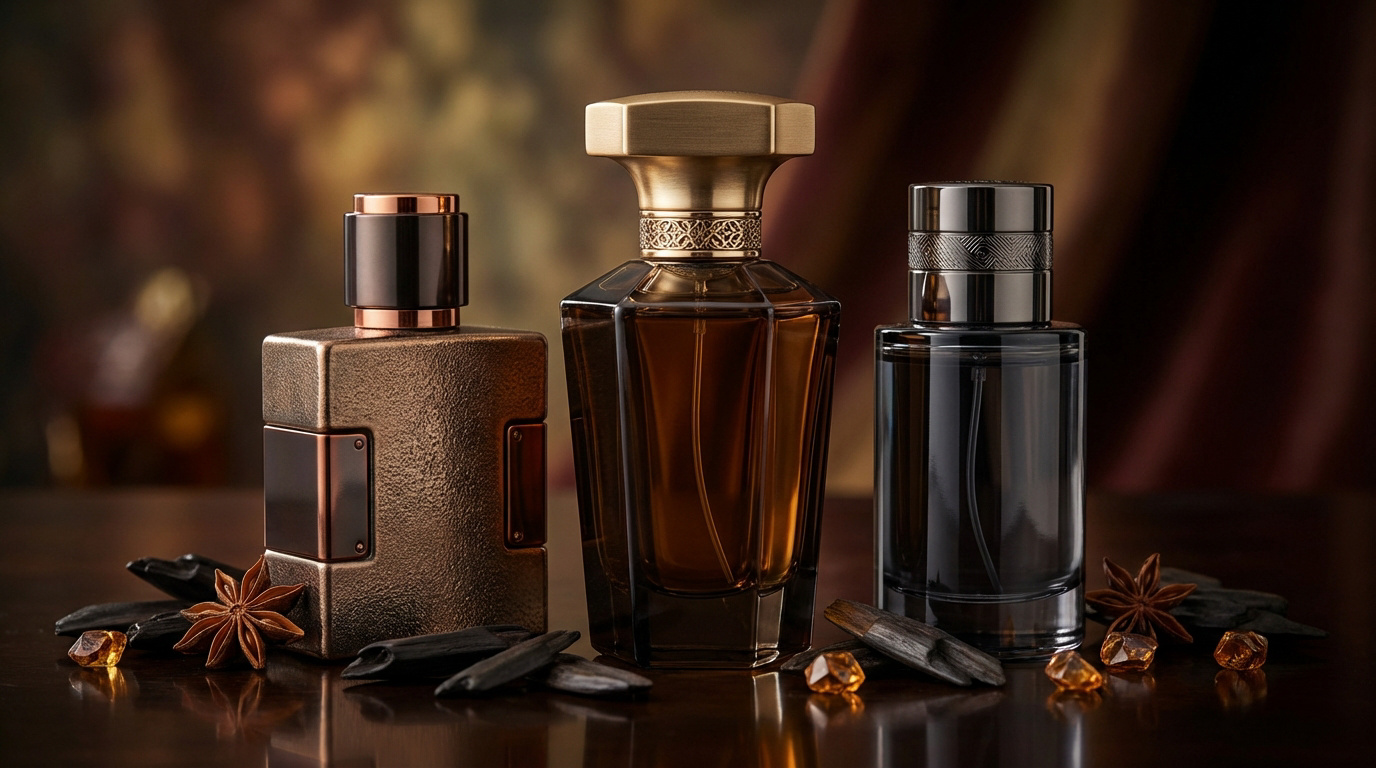
Are you struggling to find a signature scent that balances fresh energy with a lasting, masculine warmth? Exploring the diverse scents of 1 million fragrances reveals…
Read the articleThe magazine covers face and body care, hair, nails and make-up, along with signature scents and the quieter symptoms of menopause, with plain explanations that help you read a label and pick the right gesture for your skin.
Are you struggling to find a signature scent that balances fresh energy with a lasting, masculine warmth? Exploring the diverse scents of 1 million fragrances reveals…
Read the articleThe global demand for high-performance skincare continues to rise, with hyaluronic acid remaining the gold standard for maintaining dermal volume and hydration. Yet…
Read the articleHave you been experiencing an unpleasant feeling of heaviness in your lower abdomen since you entered menopause? This discomfort, which affects almost one in three women…
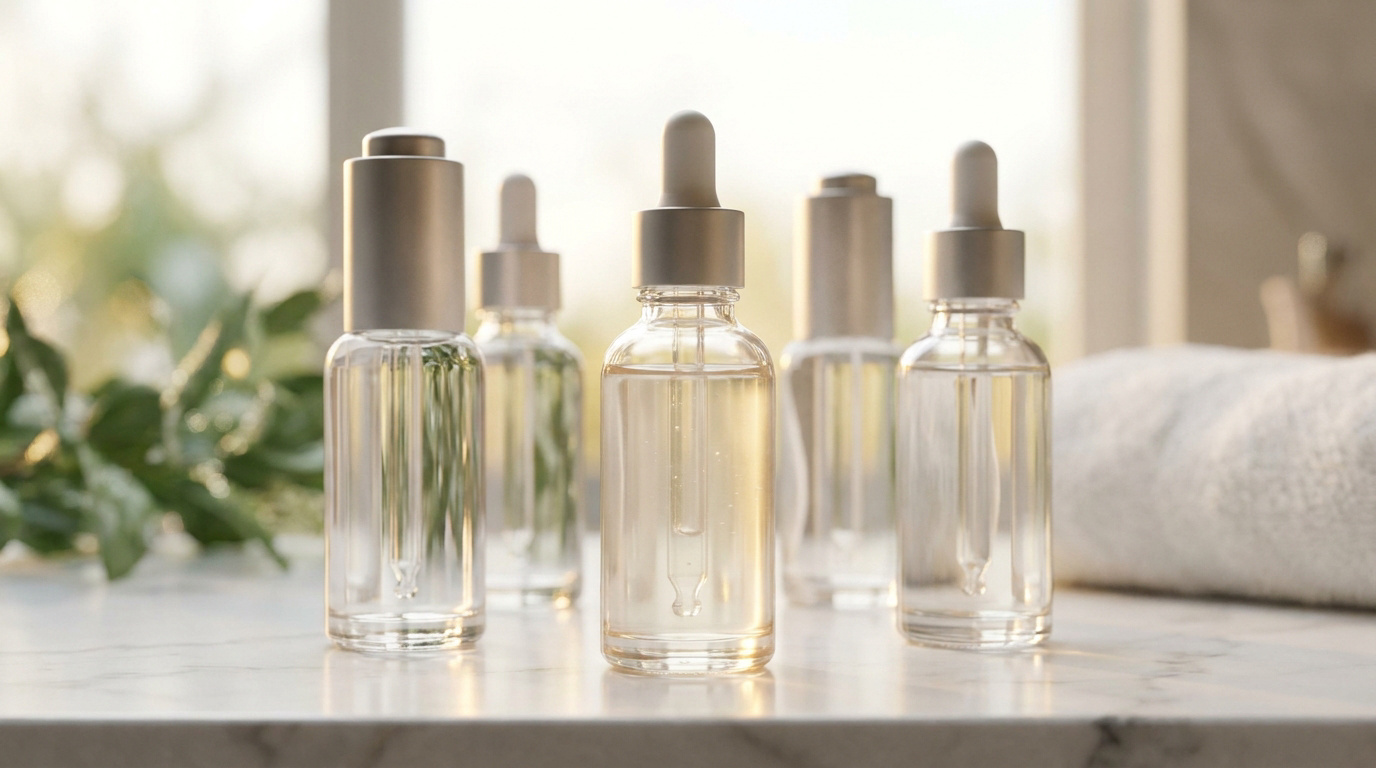
Read the articleSignature scents and the notes that build them, from spicy woody blends to fresh citrus openings, plus a close look at hyaluronic acid serums and the place they hold in a daily routine.
2 articles
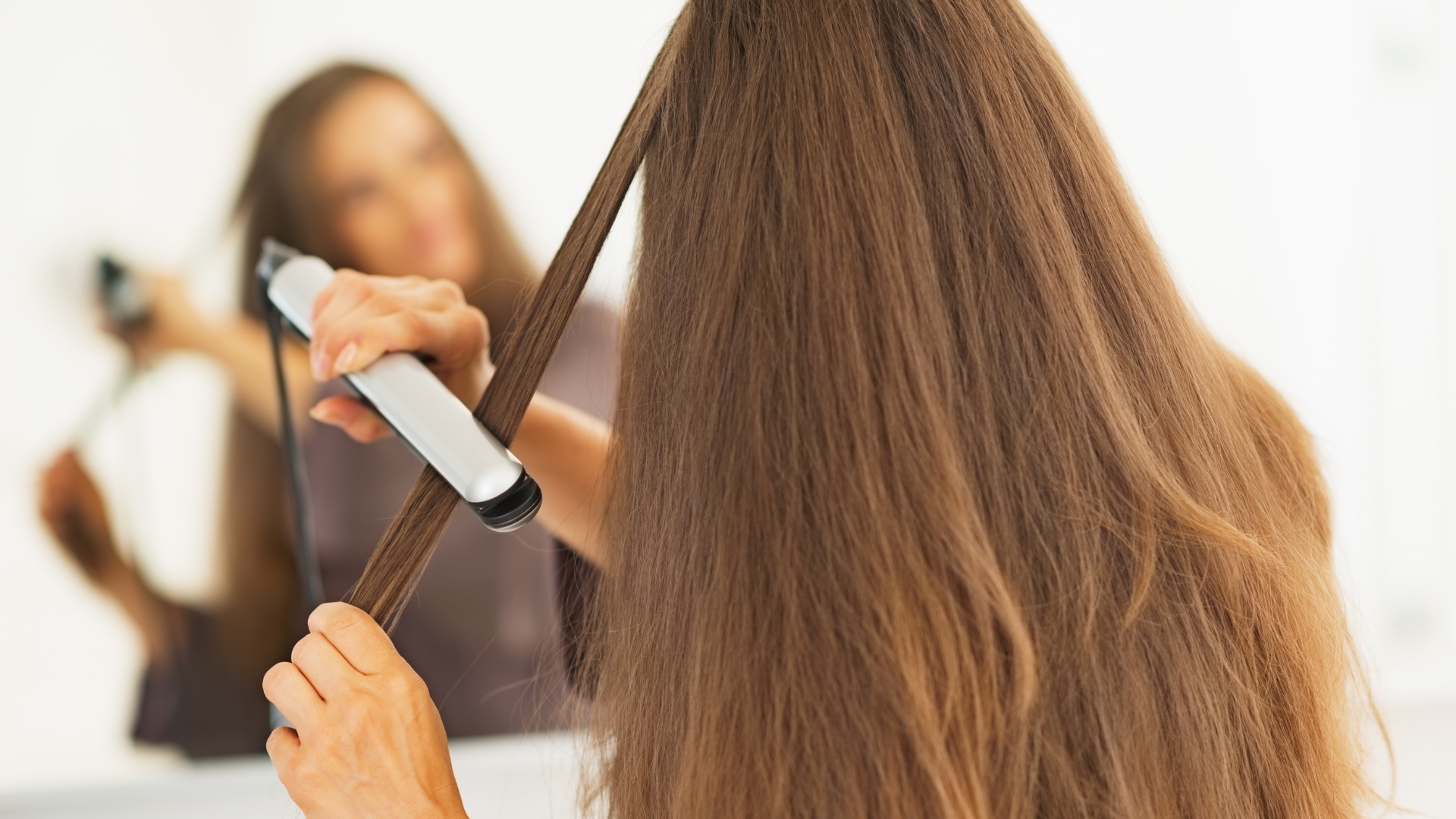
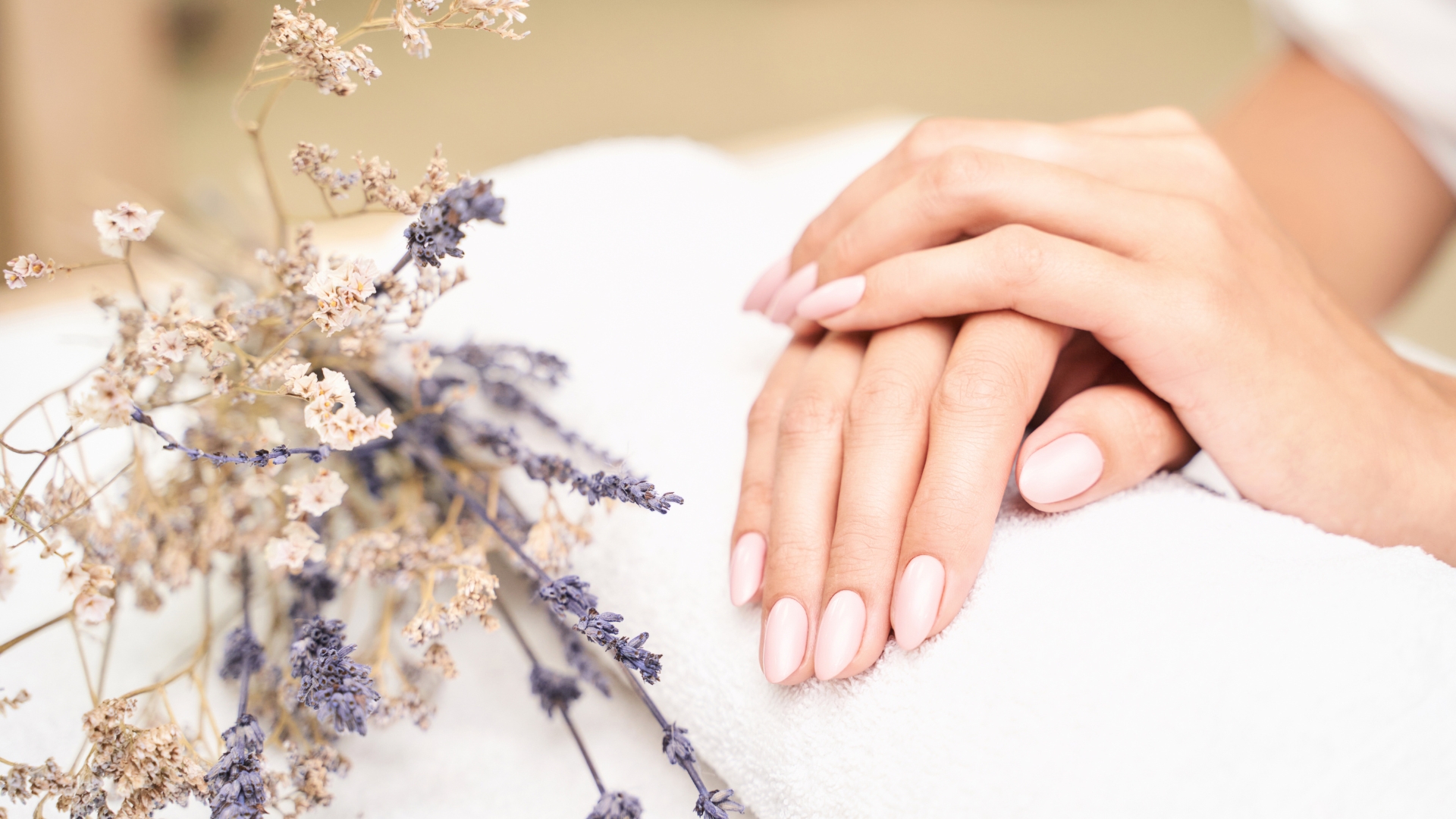
Exfoliating scrubs, moisturisers, BB creams, eye make-up brushes, heat protection, shampoos for fine hair, almond nails and back acne: the causes, the useful ingredients and the steps that last.
8 articles
Menopause and its less talked-about symptoms, such as a heavy feeling in the lower abdomen: where it comes from, what eases it day to day and when it is wise to see a doctor.
1 article
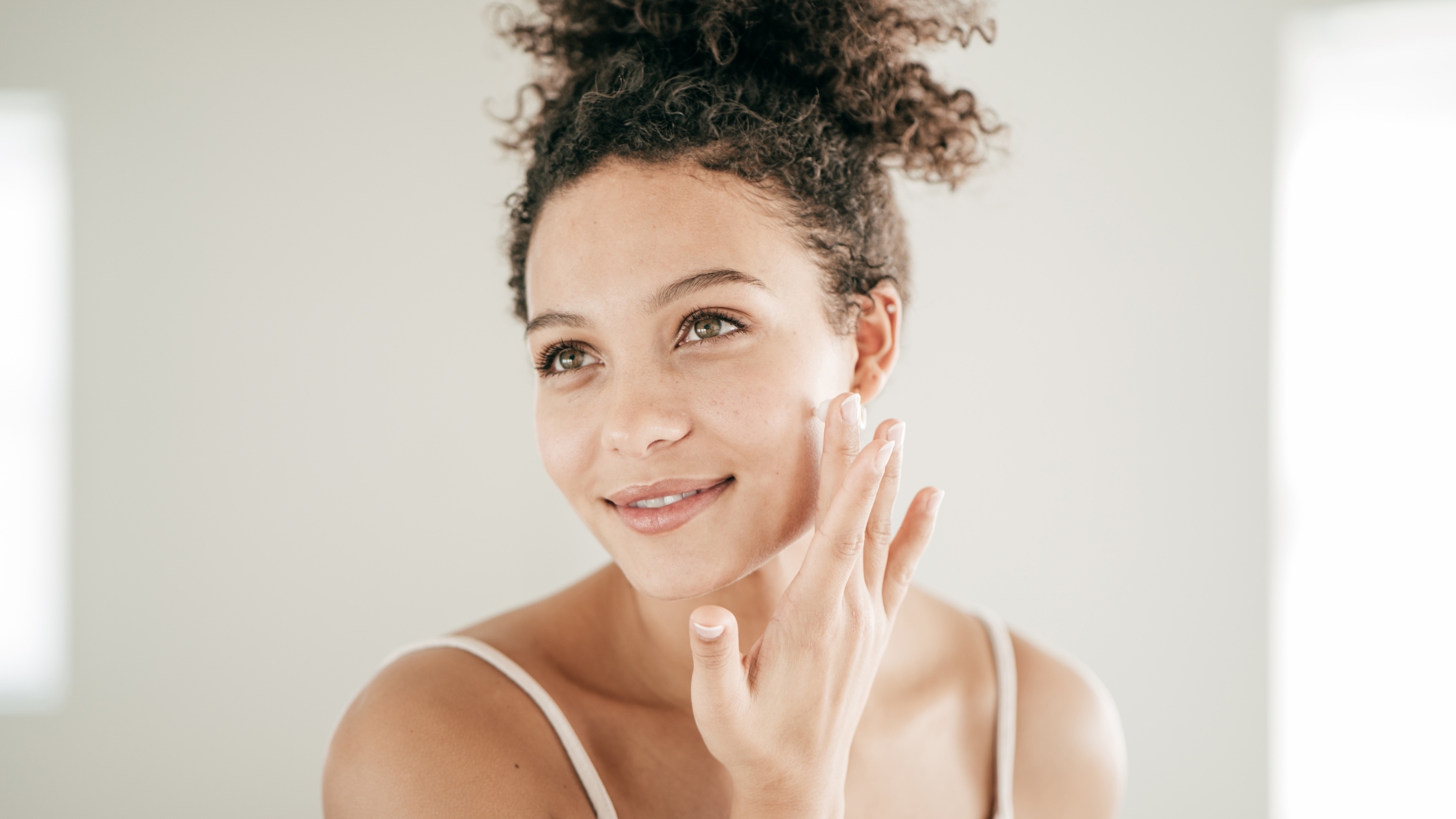
Skin that was oily at twenty can turn dry and reactive at fifty. Hormones play a large part, and so do sun, pollution and stress, which wear down the barrier that keeps water in. Before switching creams, it helps to understand what is going on: dehydrated skin, clogged pores, a dull build-up of dead cells or breakouts on the back. Each cause calls for a different answer, from a gentle scrub to a richer moisturiser or a lighter tinted cream.
The skin renews itself constantly. New cells form in the deepest layer and slowly rise to the surface, where they flatten, dry out and are meant to shed. With age, sun or a cold spell, that shedding slows down. Dead cells pile up in a thin, rough film, the complexion loses its glow, moisturisers sink in less easily and pores clog more readily, which can lead to blackheads and spots, on the face as well as on the back. A scrub removes this layer by friction, using fine grains of sugar, salt or ground seeds, while chemical exfoliants, such as fruit acids, dissolve the bonds between dead cells without any rubbing.
The right rhythm depends on your skin type. Oily skin usually tolerates exfoliation once or twice a week; dry or sensitive skin is better off with a very fine scrub or a mild exfoliating lotion, used less often. Large or sharp grains scratch the surface and can leave redness, so a cream texture with small, rounded particles is the safer choice for the face. On the body, where the skin is thicker, a coarser scrub on the elbows, knees and back does no harm.
Exfoliating is only half the job. Right afterwards, the skin absorbs a moisturiser better and needs it more, as its surface is briefly more exposed. A nourishing cream applied at night and sun protection the next morning keep the benefit without weakening the barrier, and the complexion stays smooth and even from one week to the next.